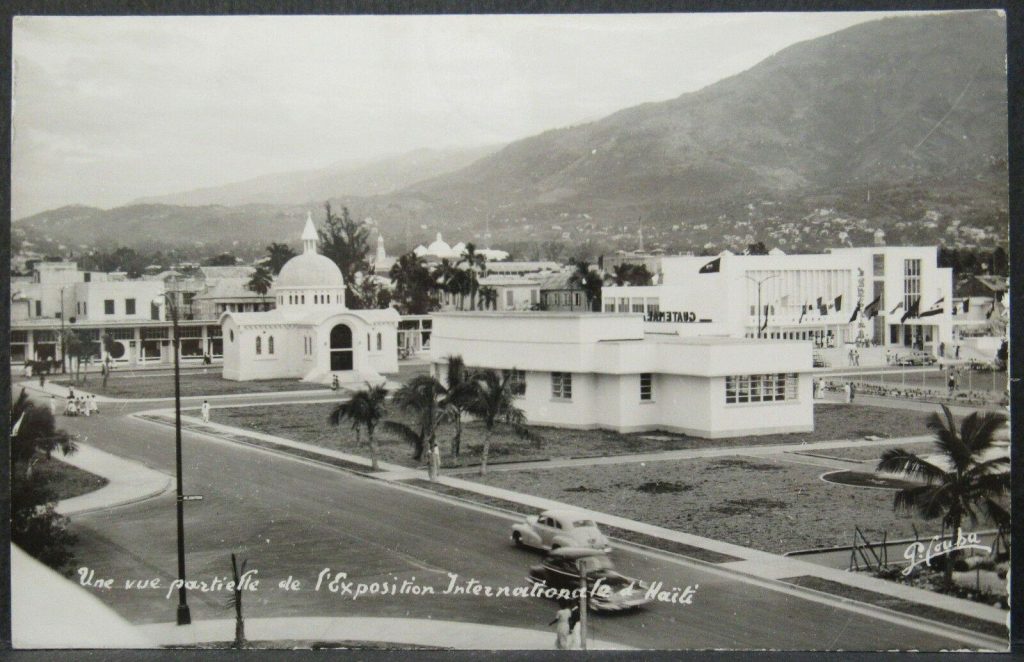
Author: Yves Hyppolite
-

The Struggle for Haiti: Class Conflict, Race, and Land Reform in Janvier’s Thought, Part II
After establishing Janvier’s class-conscious explanation of Haiti’s woes, the virtues and shortcomings of the Haitian peasantry, Janvier’s plan for Haitian development deserves attention. As mentioned previously, Protestantism, education, and land reform were key to his vision. Protestantism as part of the moral reform, education for cultivation of the social body and aiding the progress of…
-
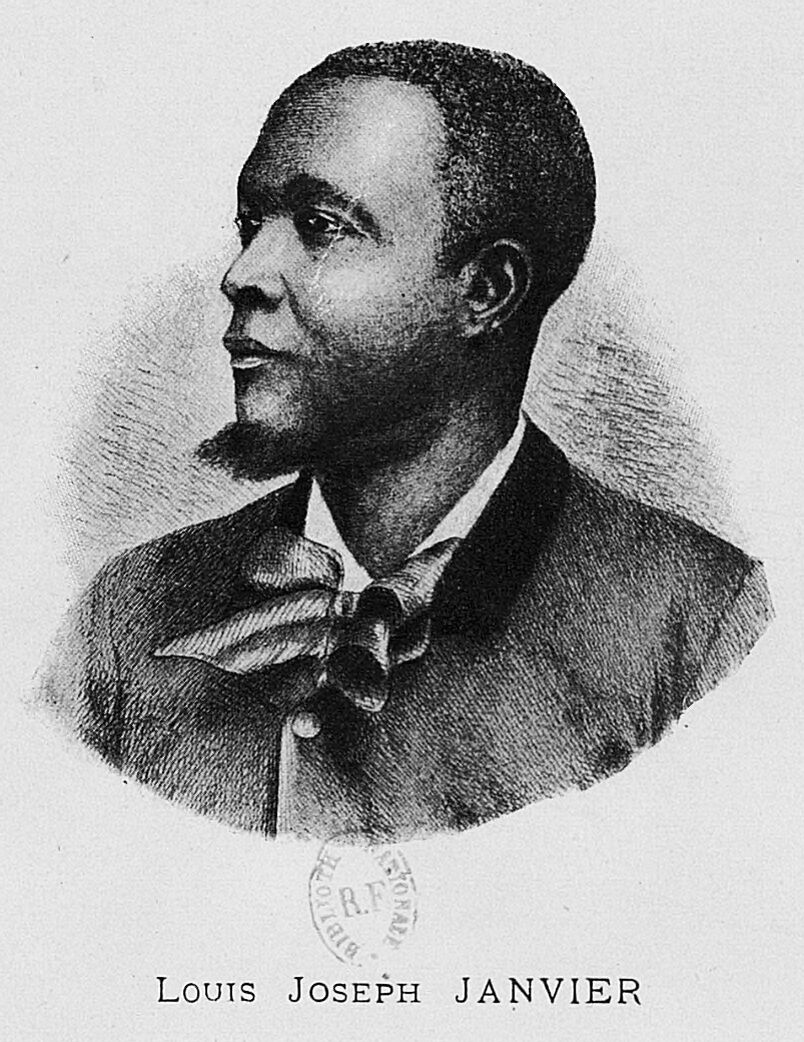
The Struggle for Haiti: Class Conflict, Race, and Land Reform in Janvier’s Thought, Part I
In light of the recent political and social unrest in Haiti, the reflections of earlier thinkers retain a striking relevance. One such figure, Louis-Joseph Janvier (1855-1911), produced a vast and varied oeuvre encompassing history, constitutional law, diplomacy, fiction, journalism, and political commentary. His works provide an excellent opportunity to explore some of the persistent thorns…
-
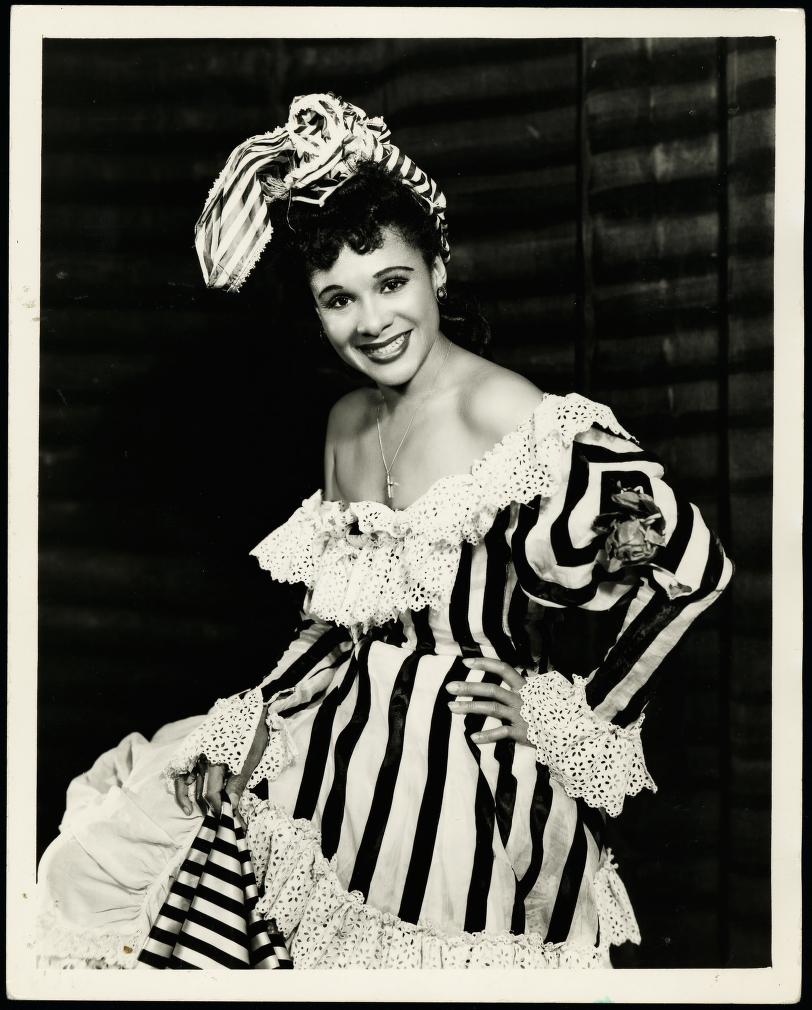
Negritude in Motion: Katherine Dunham’s Legacy in Haitian Dance (part II)
(Read Part I here) In addition, Dunham’s students, such as Lavinia Williams, later exerted a tremendous influence on Haitian dance by teaching formal technique in Haiti. Williams, invited by Estimé’s successor, Paul Magloire, was trained in classical technique and used her training to categorize and professionalize Haitian folkloric dance. Williams added floor stretches, body conditioning, ballet…
-
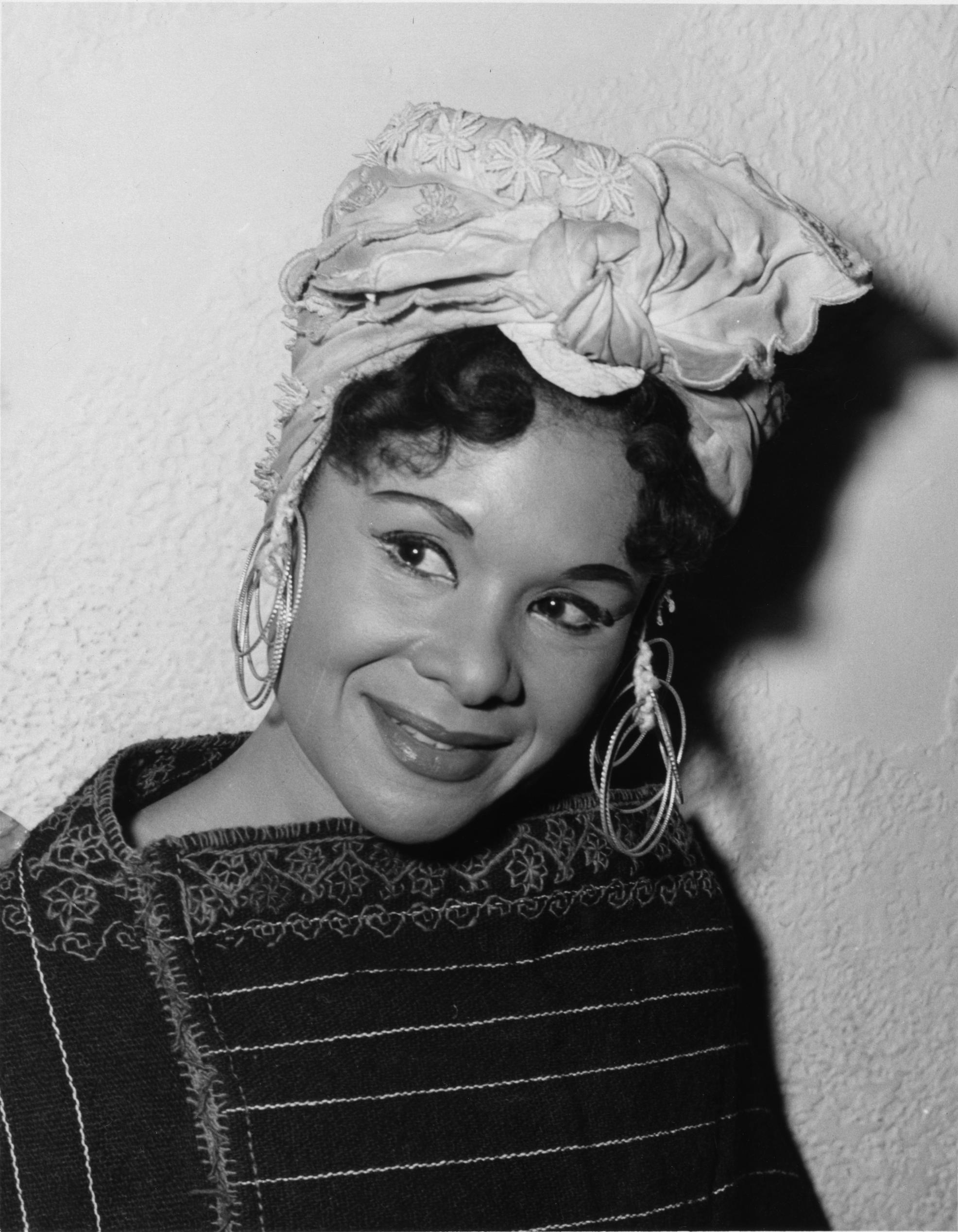
Negritude in Motion: Katherine Dunham’s Legacy in Haitian Dance (part I)
African American dancer, anthropologist, and choreographer Katherine Dunham enjoyed a lengthy relationship with Haiti. Beginning with her travels as a student at the University of Chicago in the 1930s, Dunham retained her connections to the island for the rest of her life. Moreover, Haiti, the subject of her memoir, Island Possessed, illustrates how important the Black Republic…
-
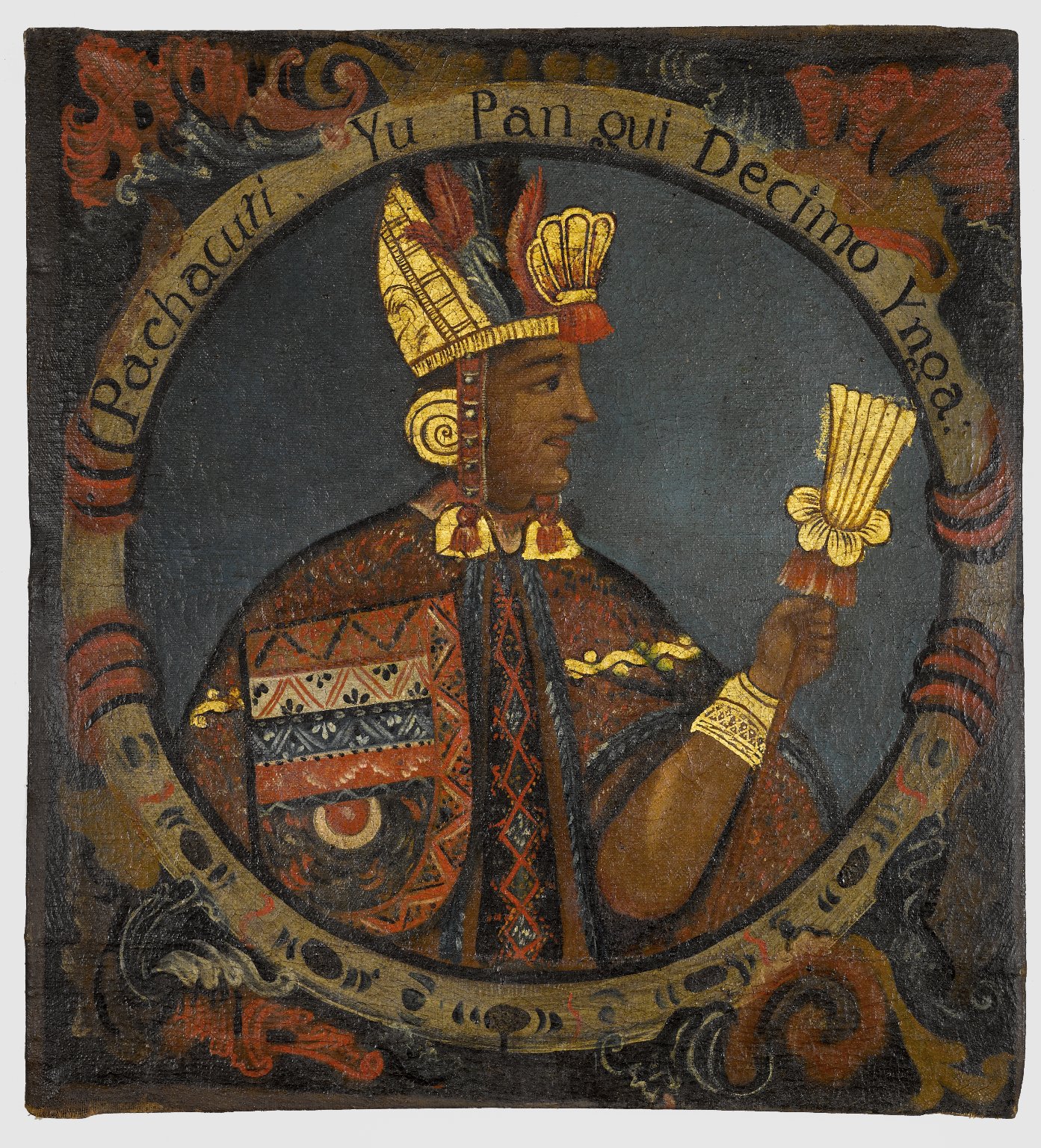
Inca past and symbolism in 18th century Saint-Domingue (part II)
(See part I, here) In order to better understand how this process worked in the Haitian context, a closer examination of how free people of color and black Creoles related to indigeneity is necessary. According to Haitian historian Beauvais Lespinasse, free people of color sometimes sought patents to be recognized as having Indian rather than…